Read the system from its boundaries
The work starts where responsibility becomes unclear: between teams, systems, contracts, policy positions, data flows, and real-world operational pressure.

Independent analytical systems consultant
I help organisations make sense of complex operational problems, define the control chain that is missing, and turn the finding into a decision-ready pack that can be implemented.
Two working systems meet, but nobody owns the handoff.
Named ownership, timing rules, escalation paths, and evidence standards.
Clear enough for boards, funders, regulators, buyers, and delivery teams.
Method
The work starts where responsibility becomes unclear: between teams, systems, contracts, policy positions, data flows, and real-world operational pressure.
Published facts, records, standards, interview evidence, failure history, and operational constraints are turned into a clean, defensible picture.
The answer is expressed as ownership, minimum information, escalation rules, timings, oversight rhythm, and practical implementation steps.
Work areas
Health systems
Scope notes, stakeholder interview guides, gap analysis frameworks, target operating models, and 90-day implementation handover packs for hospital flow problems.
Water and utilities
Buyer cases and operating reviews for resilience failures, root-cause ownership, minimum incident records, escalation clocks, and exception-review routines.
Defence and security
Open-source analytical submissions, technical briefs, cost models, programme execution plans, threat assessments, and structured funding proposals.
Policy and markets
Executive briefs, crosswalks, hostile-read analysis, and plain-English policy redesign focused on where classification does not match customer harm.
Selected analysis
Organisations, programmes, and commercial detail are not published. What is shown is the reasoning — which is the part that transfers.
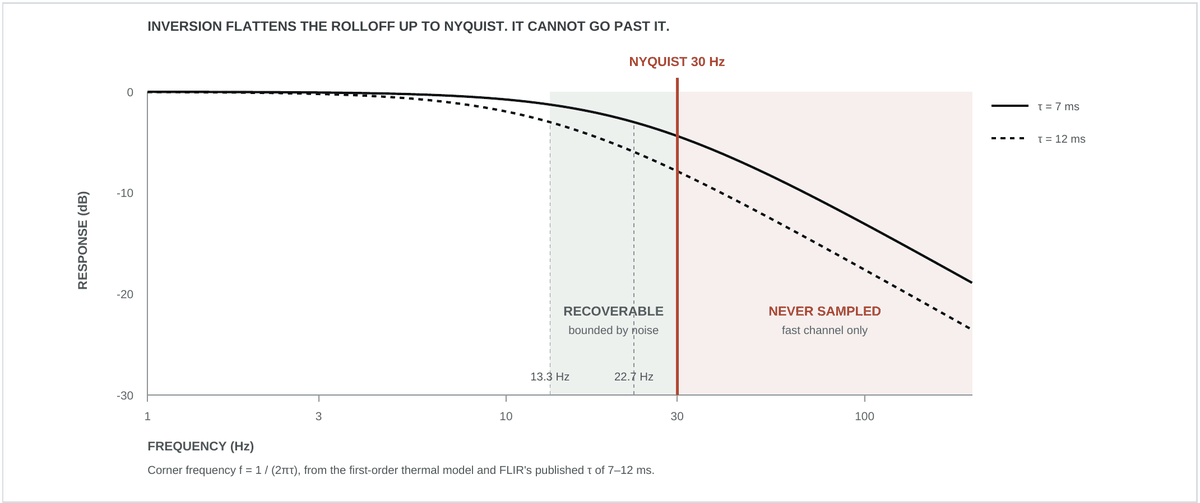
Autonomy and robotics · sensing
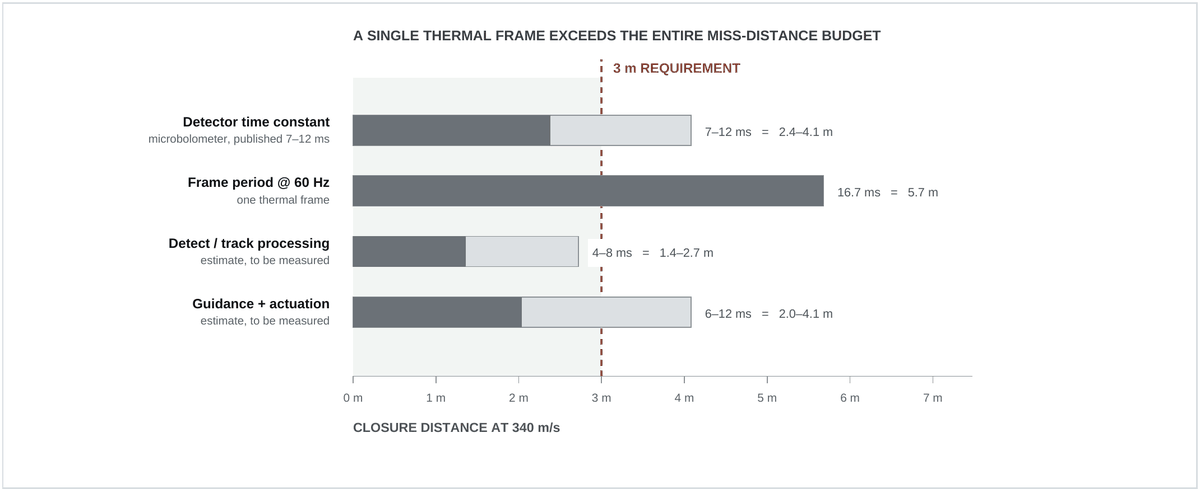
Air defence · interceptor sensing
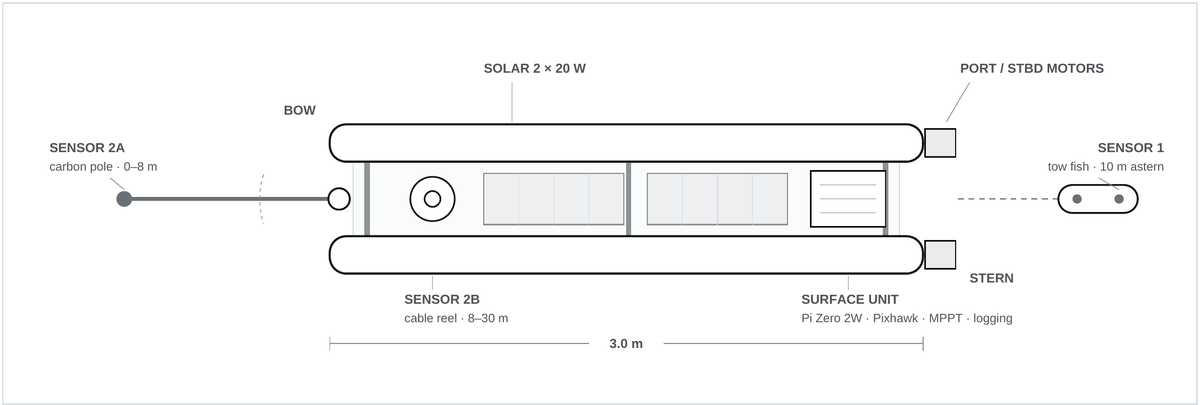
Maritime autonomy · humanitarian survey
Deployed medical · logistics and traceability
Submissions
These are included to show the depth of the work: structured problem framing, evidence discipline, declared limitations, programme design, and handover-ready writing.
United Nations Development Programme challenge · March 2026
Autonomous non-technical survey concept prepared for a United Nations Development Programme challenge on underwater explosive ordnance. The design is built around community use, low capital cost, shore-based operation, mature open-source autopilot firmware, and IMSMA-compatible suspect-area mapping.
Representative outputs
The work usually lands as a complete pack: scope note, buyer case, operating model, evidence framework, stakeholder guide, implementation handover, and executive brief.
Engagements
A short, evidence-led review that defines the actual failure mode, the accountable boundary, and the decision that needs to be made.
Practical operating design for ownership, escalation, timing, minimum information, exception review, and management oversight.
Structured cases for funders, public buyers, regulators, executive teams, and senior decision-makers who need clarity without operational noise.
About
My work is looking at two systems that both work, finding the boundary between them that nobody owns, and characterising it well enough that somebody can act on it.
I have done that across print procurement, mechanical engineering, and supply chain, and before that as a firearms officer with West Midlands Police — where the job was reading an incomplete situation quickly and picking the one variable that mattered. That habit does not leave you.
The discipline that came with it is the part clients actually buy. Every external claim is cited to a published source and checked before it leaves the desk. Assumptions are labelled as assumptions. Where the evidence does not support the conclusion someone was hoping for, the document says so — and says what would have to be true for it to change.

Contact
If the system is producing delay, risk, wasted effort, or regulatory exposure, the first step is a concise conversation about the boundary that is failing.